
A.P.J. Abdul Kalam: A Life of Dreams, Science, and Service
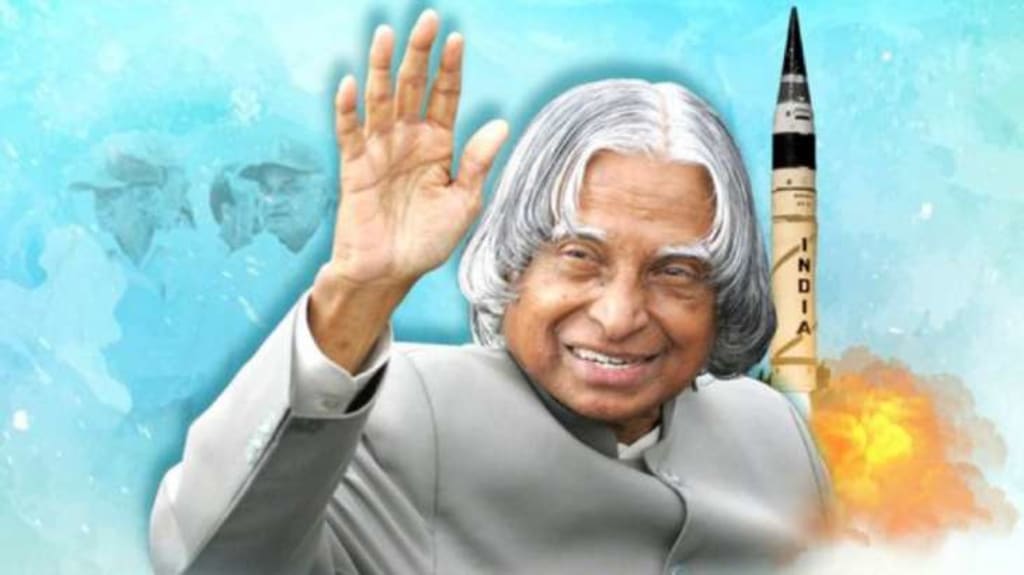
Full Name: Avul Pakir Jainulabdeen Abdul Kalam
Born: October 15, 1931, in Rameswaram, Tamil Nadu, India
Died: July 27, 2015, Shillong, Meghalaya, India
Occupation: Scientist, Aerospace Engineer, Author, 11th President of India (2002-2007)
Dr. A.P.J. Abdul Kalam, also known as the "Missile Man of India," was a visionary leader, a brilliant scientist, and one of the most beloved presidents of India. His contributions to the country’s defense and space programs and his commitment to education, development, and innovation made him a source of inspiration for millions.
Early Life and Education
Born in a modest Tamil Muslim family in the small town of Rameswaram, Kalam’s early life was marked by simplicity and hard work. His father, Jainulabdeen, was a boat owner and imam of a local mosque, and his mother, Ashiamma, was a homemaker. The family’s economic conditions were humble, but Kalam was always encouraged to pursue his education.
From an early age, Kalam showed a deep interest in learning and a strong desire to contribute to society. His love for flying and fascination with aeronautics began when he was in school. He would later recall how much he admired birds and aircraft, sparking his dream of becoming a pilot or working with flying machines.
After completing his schooling, he pursued a degree in Physics at St. Joseph’s College, Tiruchirappalli, and later enrolled at the Madras Institute of Technology (MIT), where he studied aerospace engineering. His time at MIT played a pivotal role in shaping his future career as a scientist.
Career as a Scientist
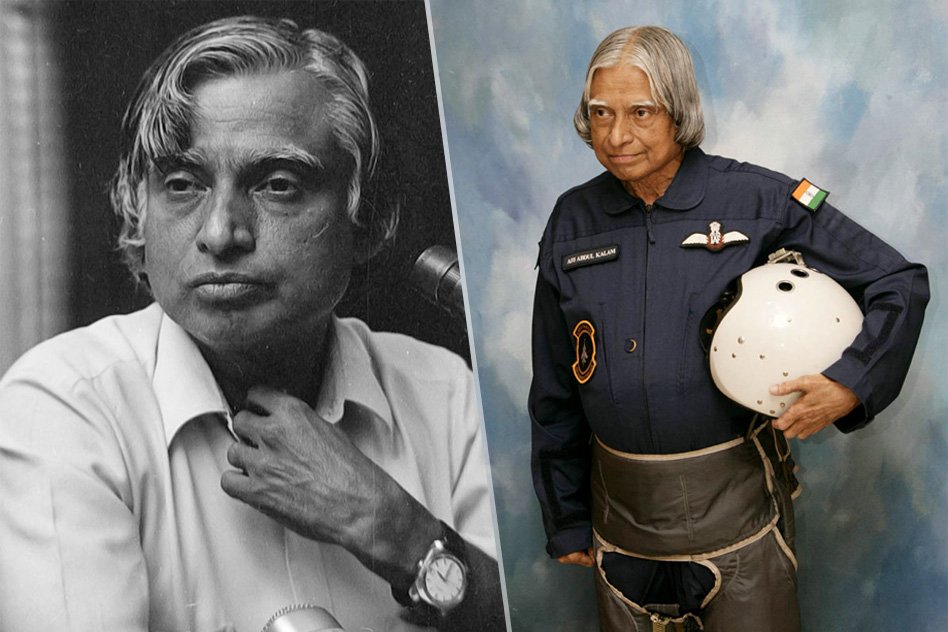
In 1960, Kalam began his career at the Aeronautical Development Establishment of the Defense Research and Development Organisation (DRDO) as a scientist. In 1969, he was transferred to the Indian Space Research Organisation (ISRO), where he became the project director for India’s first Satellite Launch Vehicle (SLV-III). In 1980, under his leadership, India successfully launched the Rohini satellite into orbit, making India a member of the exclusive club of space-faring nations.
At ISRO, Kalam worked on various prestigious projects, including developing indigenous satellite launch vehicles. However, his contributions were not limited to space exploration; he later moved to the DRDO, where his work on ballistic missile technology earned him the nickname "Missile Man of India."
Kalam’s significant contribution to India’s defense sector came when he led the team responsible for developing the Agni and Prithvi missiles, which were critical to India’s defense capabilities. His role in India’s 1998 nuclear tests at Pokhran was instrumental in making India a nuclear-armed nation.
The 11th President of India
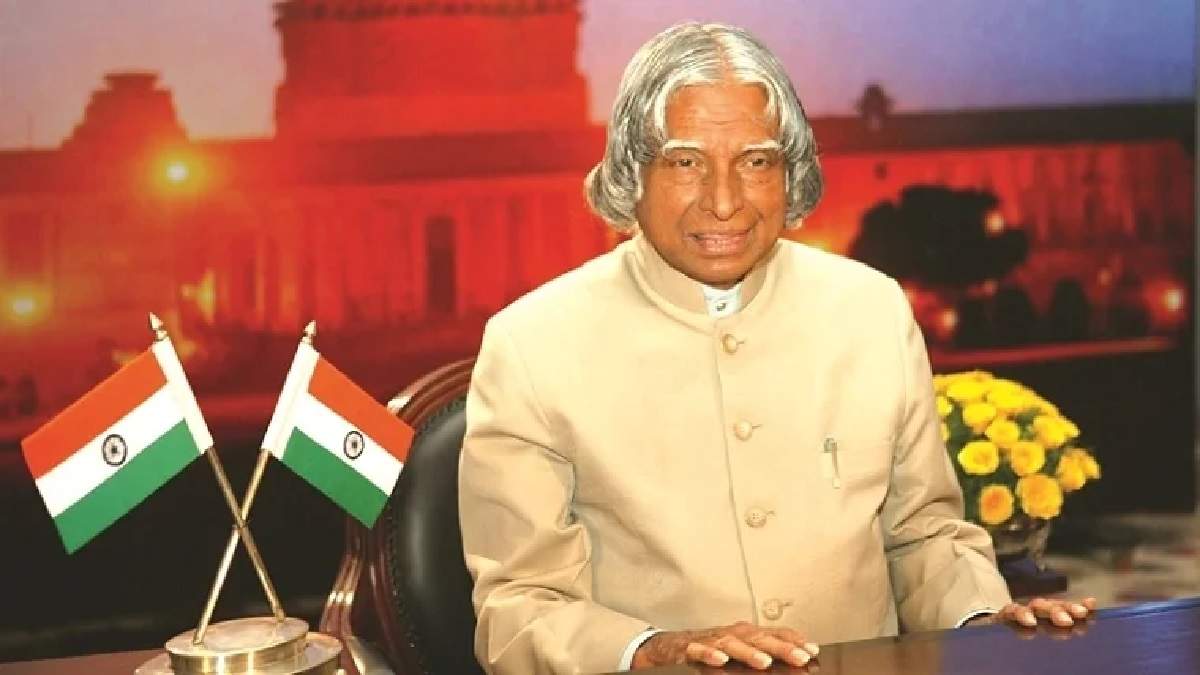
In 2002, A.P.J. Abdul Kalam was elected as the 11th President of India. He became the first scientist and the first bachelor to occupy Rashtrapati Bhavan. His presidency was marked by a commitment to engaging with the public, particularly young people and sharing his vision for a better, more developed India. He was often called the "People’s President" for his humble and approachable nature, as he frequently met students, educators, and citizens, encouraging them to dream big and work hard for the country’s progress.
Kalam was a president who transcended politics and was loved by people from all walks of life. His message of unity, development, and youth empowerment resonated throughout his presidency.
Post-Presidency and Inspirational Figure
After his term ended in 2007, Dr. Kalam returned to what he loved most—interacting with students and academics. He traveled across the country, visiting educational institutions, inspiring young minds, and encouraging them to pursue science, technology, and innovation. He was deeply involved in academic and scientific communities, serving as a visiting professor at several prestigious institutions, including the Indian Institute of Management (IIM) and the Indian Institute of Science (IISc).
Kalam’s vision for India was captured in his books like Wings of Fire, Ignited Minds, India 2020, and Turning Points, where he outlined his dream of making India a developed nation through technological advancement, education, and sustainable development.
Books and Visionary Ideas
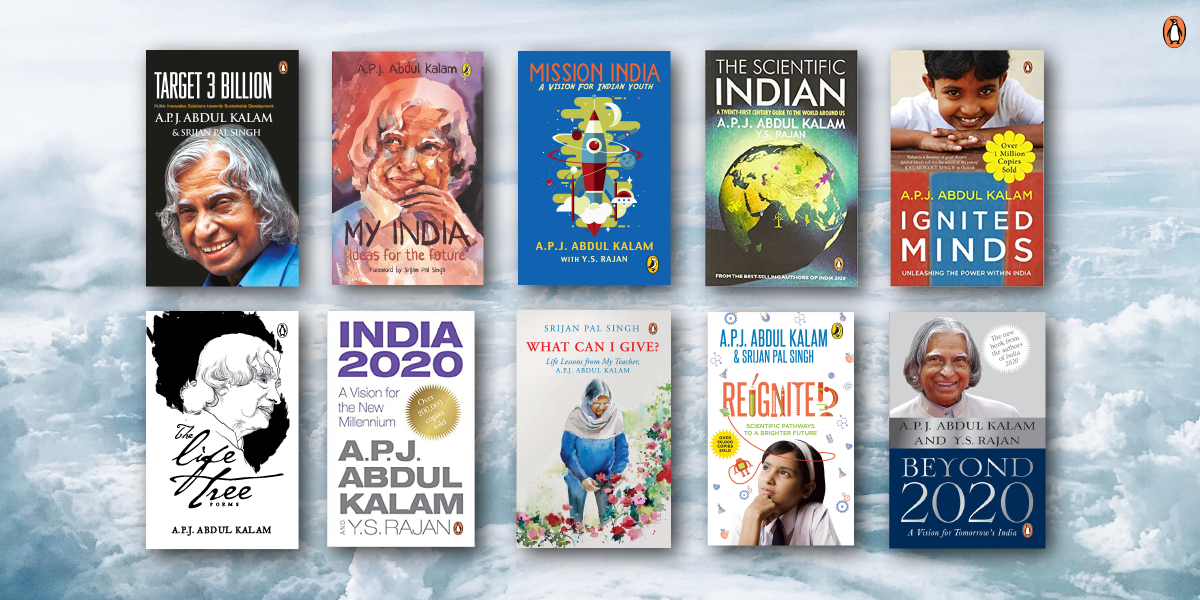
Throughout his life, Dr. Kalam authored numerous books, each filled with inspirational messages for the youth of India. His autobiography, Wings of Fire, became a bestseller and is regarded as one of the most influential books for young aspirants in India.
His vision for the nation, encapsulated in India 2020, laid out a roadmap for India’s growth as a developed country, focusing on sectors like education, agriculture, technology, and infrastructure. He believed strongly in the power of innovation, self-reliance, and using scientific advancements for societal development.
Personal Life and Values
A deeply spiritual man, Kalam believed in the power of prayer and faith, often referring to himself as a man of God. Despite his towering accomplishments, Kalam lived a simple and humble life. He was never interested in wealth or material possessions, choosing instead to focus on knowledge and service to the nation.
Kalam was also a vegetarian and led a disciplined lifestyle, often waking up early to read and write. His humility, curiosity, and love for learning made him a unique personality who remained grounded despite his vast achievements.
Death and Legacy
On July 27, 2015, Dr. Kalam passed away after suffering a cardiac arrest while delivering a lecture at the Indian Institute of Management (IIM) Shillong. Even in his final moments, he was doing what he loved the most—interacting with students and spreading knowledge. His death was mourned across the country, and tributes poured in from all corners of the world.
Dr. A.P.J. Abdul Kalam’s legacy lives on in the hearts of millions. His contributions to science, technology, education, and public service remain unmatched. His life continues to inspire people across the globe, reminding them that no dream is too big if pursued with determination, humility, and a desire to serve humanity.

