
How Motivation Works and Its Powerful Effects on the Brain
The Science of Motivation: What Happens in the Brain?
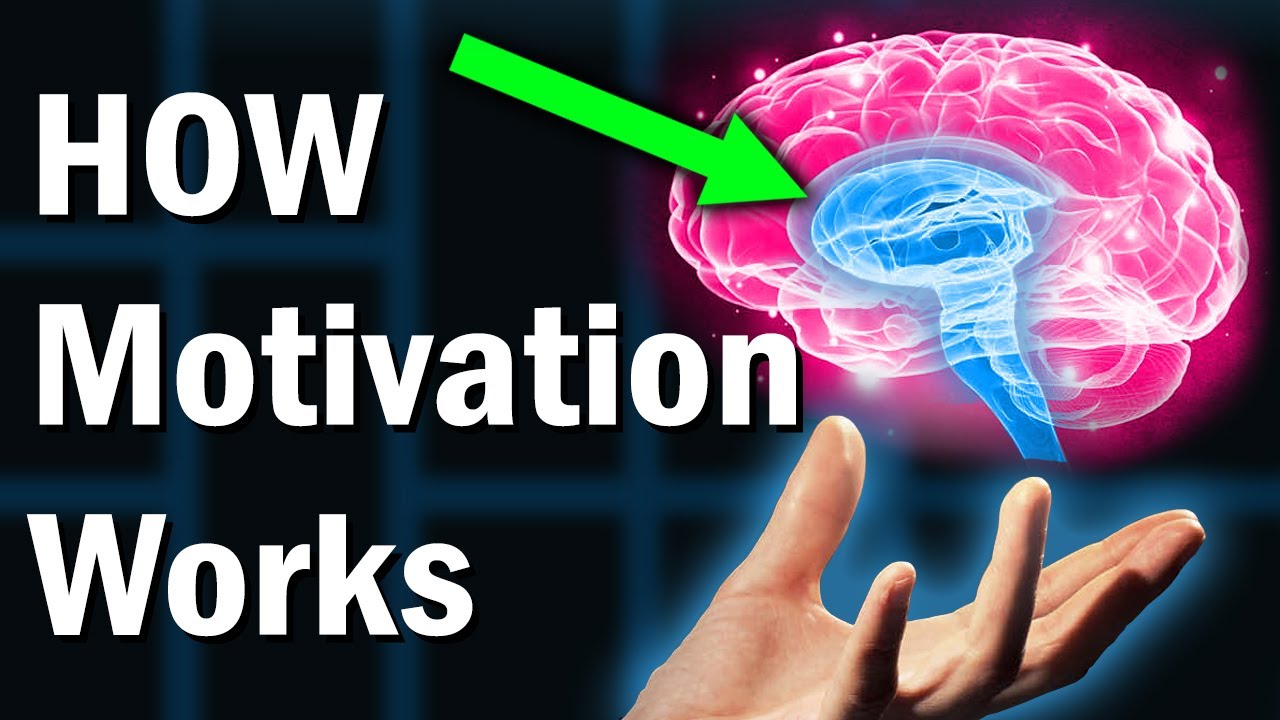
Motivation is deeply rooted in the brain's chemistry and neural networks. It is primarily influenced by the reward system, which involves a group of structures in the brain responsible for feeling pleasure, reinforcing behavior, and promoting goal-directed actions.
Here’s a look at the key brain regions and chemicals involved in motivation:
1. Dopamine: The "Feel-Good" Neurotransmitter
One of the most critical players in motivation is dopamine—a neurotransmitter that is often called the brain’s "feel-good" chemical. Dopamine is released when we anticipate or experience something pleasurable, such as achieving a goal or completing a task.
Dopamine has two important roles:
- Reward Anticipation: Dopamine surges in anticipation of a reward, creating a sense of excitement and pushing us to take action to achieve that goal.
- Positive Reinforcement: After achieving the reward, dopamine reinforces the behavior, making us more likely to repeat it in the future.
2. The Prefrontal Cortex: Decision-Making and Goal-Setting
The prefrontal cortex, located at the front of the brain, is responsible for executive functions like decision-making, planning, and goal-setting. It helps us analyze tasks, break them down into actionable steps, and stick to our goals. When motivation is high, the prefrontal cortex is actively engaged, helping us stay focused and driven toward our objectives.
3. The Nucleus Accumbens: The Brain’s Reward Center
The nucleus accumbens is another important part of the brain’s reward system. When we accomplish something meaningful, this region is flooded with dopamine, which produces a feeling of satisfaction. This reward sensation motivates us to keep working toward further achievements and challenges.
4. Amygdala: The Emotional Connection
The amygdala, which processes emotions, also plays a role in motivation. It is linked to both positive and negative emotional experiences. Positive emotions, such as excitement or happiness from achieving a goal, strengthen motivation, while negative emotions, like fear or anxiety, can dampen it. Finding a balance in emotional regulation is key to maintaining long-term motivation.
Intrinsic vs. Extrinsic Motivation
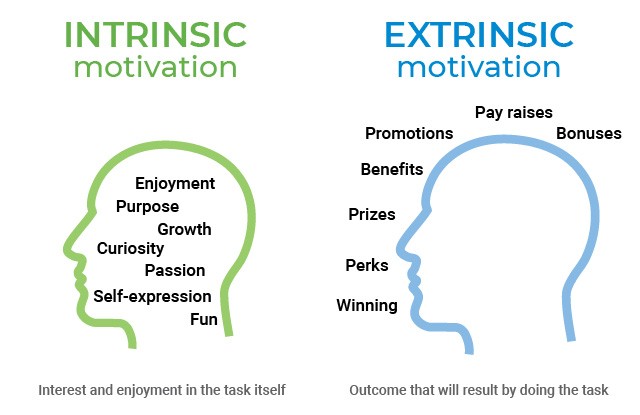
Motivation can be categorized into two types: intrinsic and extrinsic motivation. Understanding these can help you tap into different motivational forces:
1. Intrinsic Motivation
Intrinsic motivation comes from within—it’s the internal drive to do something because it’s personally fulfilling or enjoyable. For example, someone might be intrinsically motivated to paint because they love the process of creating art, not because they expect external rewards.
Effects on the brain: Intrinsic motivation is linked to higher levels of dopamine release because it engages the brain's reward system without the need for external validation. This type of motivation is often more sustainable and long-lasting.
2. Extrinsic Motivation
Extrinsic motivation, on the other hand, is driven by external rewards such as money, praise, or recognition. For example, you may be extrinsically motivated to complete a work project because it leads to a bonus or promotion.
Effects on the brain: While extrinsic motivation can activate the reward system, its effects are usually more short-term compared to intrinsic motivation. Once the external reward is removed, motivation may decline.

